Which Wheels Go Where
Quick guide: what’s allowed where
How to use the table below
- Find your device type on the left
- Check the column for where you want to ride
- Posted signs and dismount zones always take priority
Why these rules exist
Different devices move at very different speeds and handle differently. These rules are designed to reduce conflicts in shared spaces, protect pedestrians, and keep riders safe.
Areas like sidewalks, trails, and parks are shared by people of all ages, including children, seniors, and people with disabilities.
Common points of confusion
“It has pedals — doesn’t that mean it’s an e‑bike?”
Not always. Device classification depends on how the device is designed and operates. Some motorized devices may look like bicycles but are not legally classified as e‑bikes.
“Why can some e‑bikes go more places than others?”
E‑bike classes are based on speed and how the motor assists. Higher‑speed devices have more restrictions in areas with pedestrians.
“Why are toy or off‑highway vehicles such a big concern?”
These devices are not designed for public streets or shared spaces and can pose safety risks when used near pedestrians or traffic.
E‑bikes: classifications, labels, and where they can ride
An electrical assisted bicycle (e‑bike) has operable pedals and is classified as Class 1, Class 2, or Class 3 under Colorado law. E-bikes also have motors no larger than 750 watts.
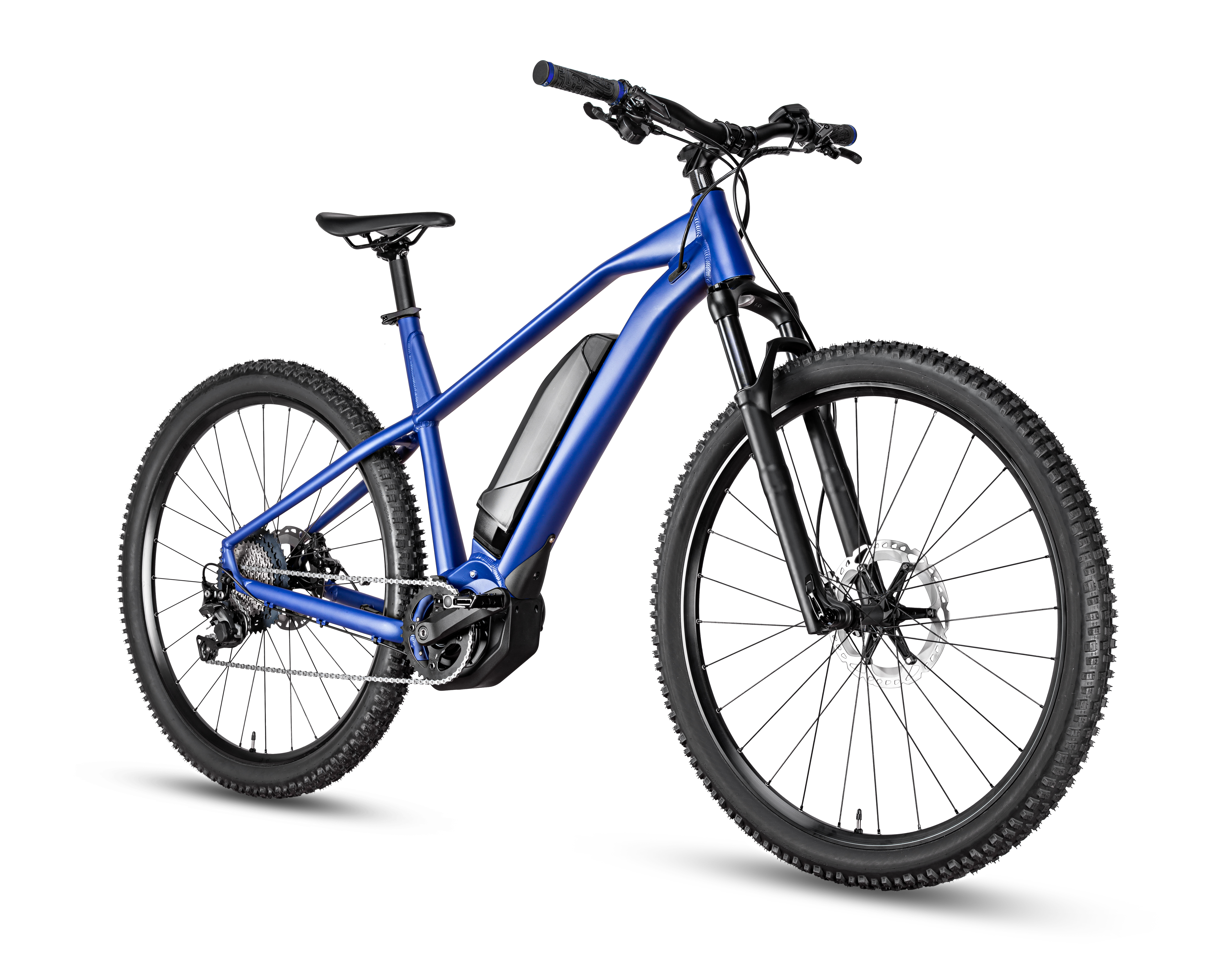
E‑bike class definitions
- Class 1: Pedal‑assist only, assistance stops at 20 mph
- Class 2: Throttle‑assist or pedal‑assist, stops at 20 mph
- Class 3: Throttle-assist or Pedal‑assist, stops at 28 mph and must have a speedometer
E‑bike labels and modifications
E‑bikes are required to display a legible classification label. If an e‑bike is modified in a way that changes its speed capability or motor output, an updated label is required.
Where each e‑bike class can ride
- Class 1 & 2: Allowed in more locations, including trails and parks, where posted. Dismount zones still apply.
- Class 3: Limited to streets, bike lanes and sidewalks; not allowed on trails or in parks/open space
Motor‑vehicle category devices
This includes e‑motorcycles (e-motos) and low‑powered scooters that are regulated as motor vehicles.
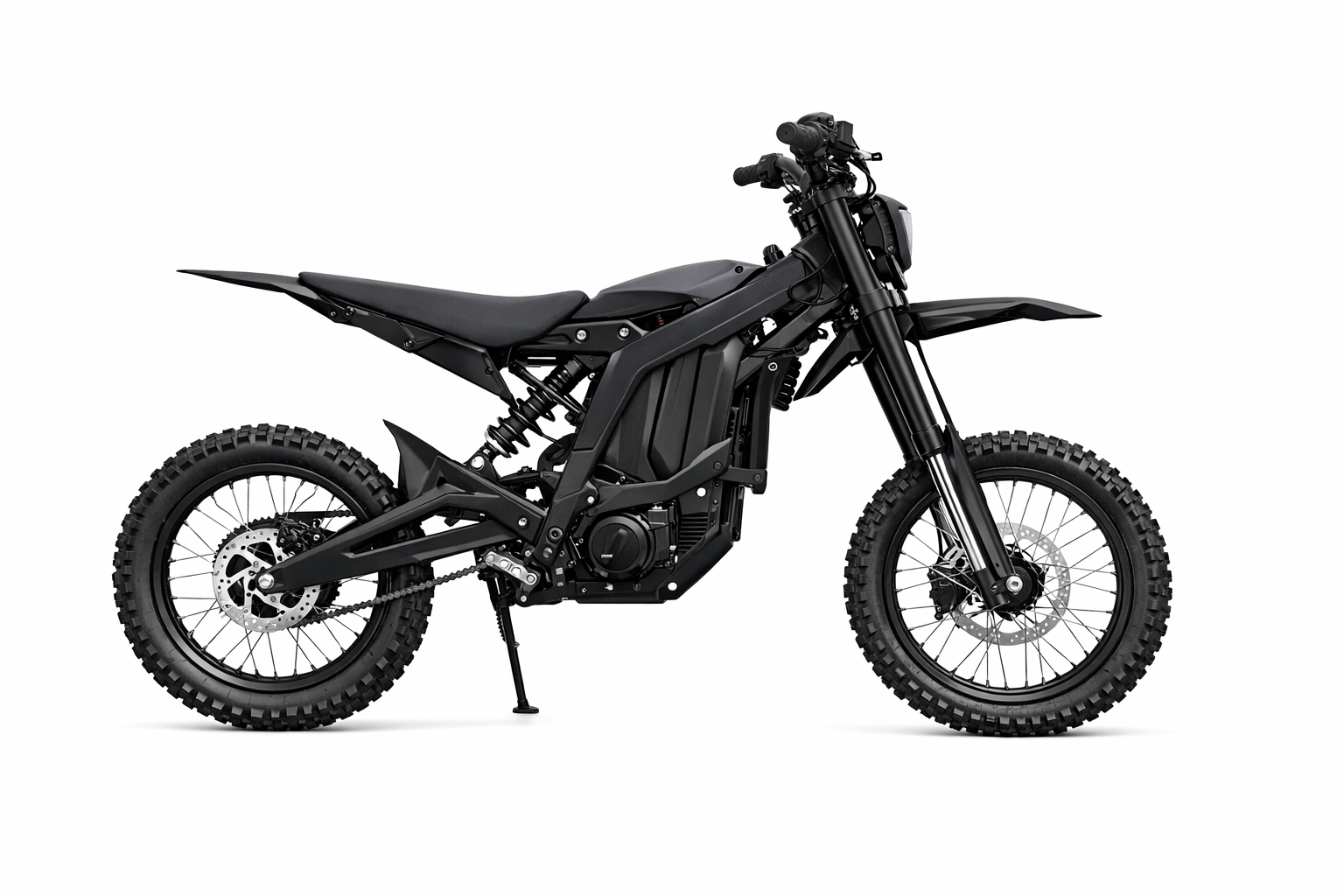
Legal requirements
- Valid driver’s license required
- Vehicle registration required
- Insurance required
- License plate required
Where these devices are not allowed
Motor‑vehicle category devices are not permitted on sidewalks, bike lanes, trails, parks, or open space.
Toy and off‑highway vehicles
Toy and off‑highway vehicles are motorized devices that are not designed or approved for street use.
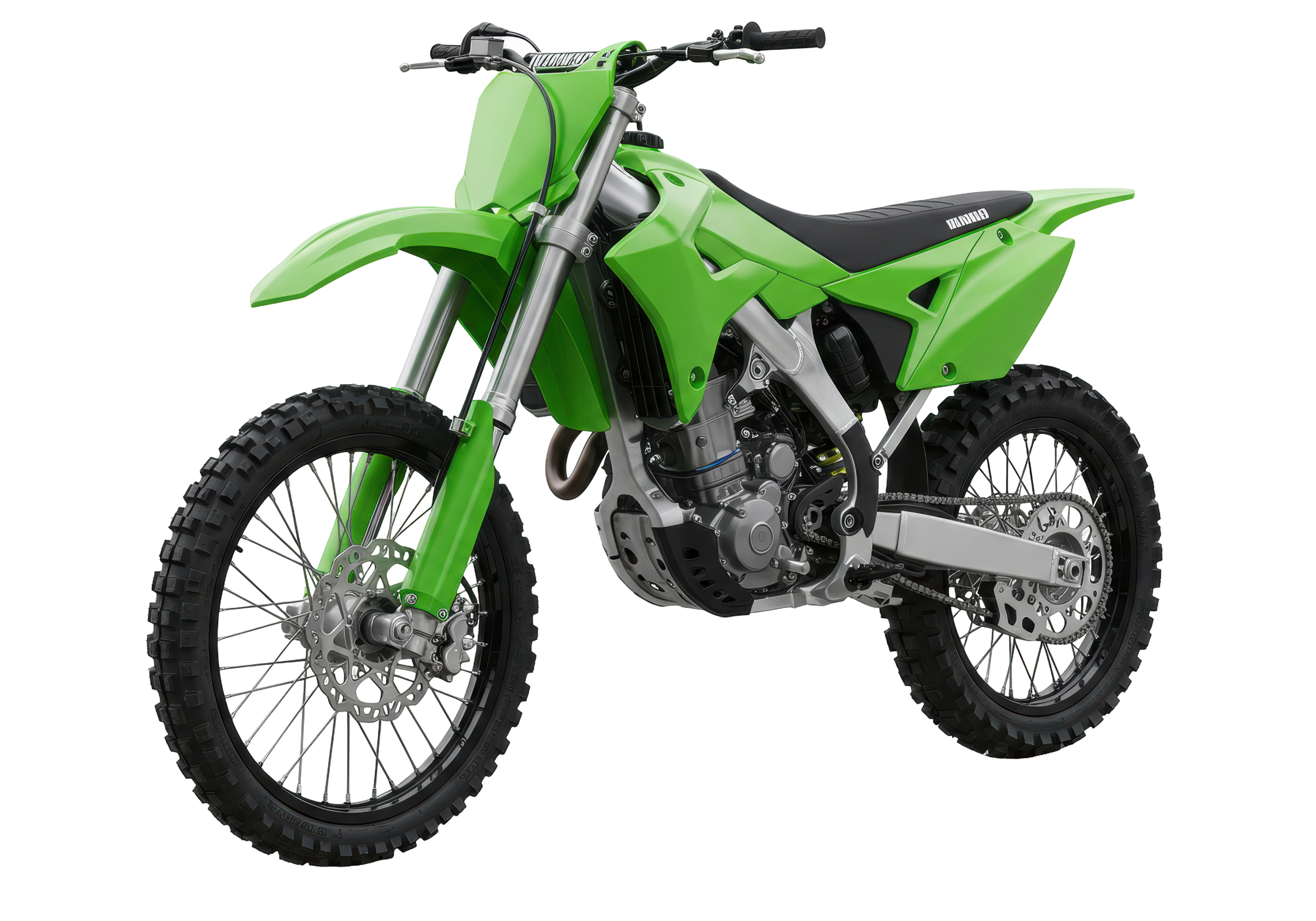
Examples
- Dirt bikes
- ATVs
- Mini bikes or pocket bikes
- Go‑peds
- Kamikaze boards
- Similar motorized recreational vehicles
Where they are not allowed
These devices are not permitted on roadways, bike lanes, sidewalks, trails, parks or other public property.
Where they are allowed
Operation is limited to private property with permission of the property owner, or as part of Town operations or authorized programming.
Exceptions
Exceptions in this category include kids ride-on cars with parental supervision, electric skateboards and OneWheels
Town facilities, trails, and dismount zones
What is a dismount zone?
A dismount zone is an area where riding is prohibited and devices must be walked through, as indicated by posted signs or markings.
Posted signs and restrictions
Posted signs, pavement markings, and temporary restrictions always control, even where a device is otherwise allowed. Ride at a safe speed for conditions. Recommended speeds are 10 mph in parks and Town properties and 15 mph on paved trails. Always yield to pedestrians and slower trail users.
What to expect if rules aren’t followed
The Town’s approach prioritizes education and safety. Enforcement may occur depending on the situation, behavior, and risk involved.
Is enforcement always a citation?
Not necessarily. Many interactions begin with education and guidance. Citations may be used for repeat or high‑risk behavior.
What kinds of issues can lead to penalties?
- Using a prohibited device on public property
- Ignoring posted signs or dismount zones
- Operating a device in a dangerous manner
What penalties may apply?
Penalties may include warnings, citations, or other actions allowed under Town code. Parents or guardians may be responsible when minors are involved.